Directions To The Clinic
1050 Upper Gage Ave, Hamilton, ON L8V 5B7, Canada
-
Call Us 1 (289) 755-5502

What to Expect During Your First Physiotherapy Appointment in Hamilton
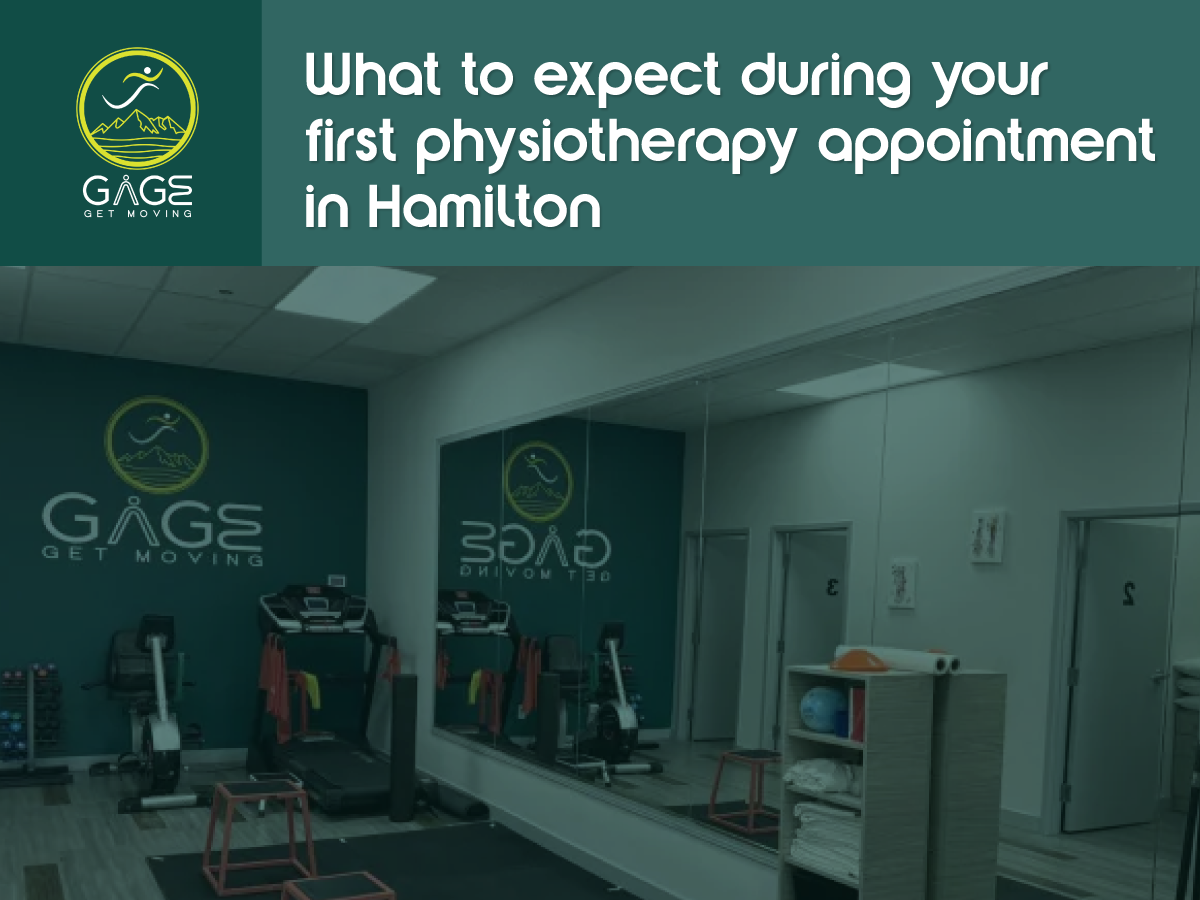
Feeling nervous before your first physiotherapy appointment? That’s completely normal.
Many people in Hamilton call us at Gage Physiotherapy not quite sure what to expect. Some wonder if it will hurt, others worry about what to wear, or whether they need a doctor’s referral first.
Good news — your first visit is designed to be comfortable, educational, and encouraging.
By the time you leave, you’ll understand what’s causing your pain, how we can help, and what steps you can take to start feeling better right away.
Here’s exactly what happens when you walk into your first physiotherapy appointment in Hamilton.
1. No referral needed — you can book directly
In Ontario, you don’t need a doctor’s note to see a physiotherapist.
That means you can book your first appointment as soon as you notice pain or stiffness — no waiting weeks for a referral.
If you have extended health coverage, most insurance plans include physiotherapy. At Gage Physio, we offer direct billing to major insurers, so you don’t have to worry about extra paperwork or paying upfront.
2. Before you arrive: a few quick preparations
Once you’ve booked online, we’ll send you an intake form where you can share your medical history, daily activities, and goals.
This helps us understand your background before you even arrive.
What to bring:
-
- Your insurance card (if using coverage)
-
- Any imaging results (X-rays, MRI, etc.)
-
- Comfortable clothing (shorts for knee issues, tank top for shoulder, etc.)
-
- The shoes you wear most often
Pro tip: Aim to arrive 5–10 minutes early so you can relax, fill out any remaining forms, and get familiar with the space.
3. Your physiotherapist will start by listening
When you meet your physiotherapist, we’ll begin with a genuine conversation — no rush, no judgment.
We’ll ask about:
-
- Where your pain or stiffness is
-
- When it started and what makes it better or worse
-
- Your daily routines (work, exercise, sleep)
-
- Your goals — maybe you want to get back to running, work without pain, or lift your kids again
We want to hear your story, not just your symptoms. This first chat helps us understand how pain affects your life in Hamilton — whether you’re sitting at a desk downtown or climbing ladders on the Mountain.
4. We’ll assess how your body moves
Next comes a gentle, movement-based assessment.
Don’t worry — this isn’t a fitness test. It’s simply us observing how your joints, muscles, and nerves work together.
We’ll look at:
-
- Posture and alignment
-
- Range of motion (how far you can move comfortably)
-
- Muscle strength and flexibility
-
- Balance and coordination
-
- Special tests if needed (for shoulders, knees, back, vestibular, or pelvic areas)
If you’re coming for pelvic health or vestibular (dizziness) issues, we’ll clearly explain every step and get your consent before starting. You’re always in control.
5. We’ll explain what’s really going on
After the assessment, your physiotherapist will explain what we found — in plain language.
You’ll learn:
-
- Which muscles or joints are contributing to your pain
-
- Why it started (maybe posture, lifting habits, or repetitive strain)
-
- How physiotherapy can help you recover
You’ll see exactly how we plan to fix the root cause, not just the symptoms. Many clients say this is their “aha!” moment — finally understanding why they hurt.
6. You’ll receive hands-on treatment on your first day
Your first visit isn’t just talking. In most cases, treatment begins immediately after your assessment.
Depending on your condition, your first session may include:
-
- Gentle manual therapy or joint mobilization
-
- Soft tissue release or cupping
-
- Education on posture, ergonomics, or body mechanics
-
- Specific home exercises you can start right away
If your pain is acute (like a new strain or back spasm), we’ll focus on calming things down first. If it’s more chronic, we’ll start building mobility and strength right from day one.
7. You’ll leave with a personalized recovery plan
Before you go, we’ll outline your custom treatment plan. It includes:
-
- What we’ll work on each session
-
- How often you should come in (typically once a week at first)
-
- What you can do at home between visits
-
- How we’ll measure your progress over time
We’ll even email you a copy of your exercise plan so you can follow it from your phone or computer.
8. We’ll talk about next steps and realistic goals
Physiotherapy is a process — but a rewarding one.
Your therapist will tell you what improvements to expect and how soon you should start noticing changes (many clients feel better after just 1–3 sessions).
We’ll also review your work setup, hobbies, or training habits to make sure your daily life supports your recovery, not slows it down.
9. You’ll always know what things cost
Transparency matters.
At Gage Physio, your first assessment usually lasts 45–60 minutes and includes treatment.
We’ll explain fees upfront and handle direct billing whenever possible. If your plan requires receipts, we’ll email them right away.
No surprises — just straightforward care.
10. You’ll leave feeling confident, not confused
When you walk out, you’ll know:
-
- What’s causing your pain
-
- What you can do starting today
-
- How long it may take to recover
-
- That you’re not facing it alone
Many first-time clients tell us they feel relieved after their first appointment — finally having a clear plan and someone who truly listens.
The Bottom Line
Your first physiotherapy visit isn’t scary — it’s empowering.
You’ll meet a caring professional who listens, explains, and creates a plan designed just for you.
Whether your goal is to work pain-free, get back on the trails, or simply move better every morning, we’ll help you get there step by step.
If you’re in Hamilton and ready to take that first step, we’d love to meet you.
Book an Appointment today with one of our Hamilton physiotherapists at Gage Physio — and start moving toward lasting relief and confidence.
categories
Recent Posts
Living Independently with Parkinson’s: A Physiotherapist’s Guide
October 22, 2025
No Comments
Read More »
Gait Training Techniques for Parkinson’s Patients in Hamilton
October 22, 2025
No Comments
Read More »